

When comparing live casino dealers Canada options, account security deserves as much attention as table variety or streaming quality. A useful starting point is the lussurio casino information page, but readers should still examine the operator’s verification process, privacy practices and account controls before committing funds. These checks help clarify what personal information may be requested, when withdrawals can be reviewed and how to respond if access becomes restricted. The goal is not to assume every listed feature applies to every account, but to make verification more predictable and reduce avoidable security problems.
Why identity checks matter at live-dealer tables
Identity verification is a normal control used by online gambling operators to establish that an account belongs to a real person, meets the applicable minimum age and is being used from an accepted jurisdiction. It also helps prevent duplicate registrations, payment fraud and attempts to withdraw through an account that does not match the original customer. A live-dealer game does not remove these obligations simply because the table is streamed rather than played in a physical venue.
Registration information should therefore be accurate from the beginning. The stated requirements include a legal name, residence information and a working email address or phone number. Selecting the correct account currency and accepting the applicable terms may also form part of the opening process. Inaccurate spelling, an old address or inconsistent contact details can create questions later, particularly when the operator compares registration data with identity documents and payment records.
Verification may become more important before a withdrawal than before gameplay. Requests can include government-issued identity evidence, proof of residential address and documents showing ownership of the deposit or withdrawal method. A review may be listed as taking up to 72 hours, while extra checks can extend that period. Public complaints about delayed reviews or provider-related investigations are not proof of a particular outcome, but they are a reason to keep records and avoid treating an advertised timeframe as a guarantee.
What to prepare before submitting documents
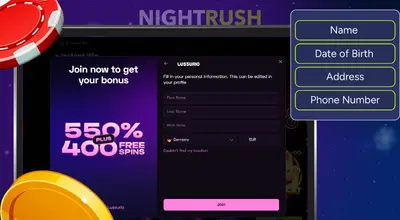
Good preparation can make a compliance review clearer and safer. Use documents that are current, readable and consistent with the details on the account. A government identity document should show the relevant information without glare or cropped edges. Proof of address should be recent if the stated requirements call for it, and payment evidence should identify the account holder without exposing unrelated financial information where redaction is permitted.
Before uploading anything, check the account area or support instructions for accepted formats, file-size limits and submission channels. Do not send identity documents to an unverified address found in a message or social-media post. Navigate through the operator’s established account or support route instead, and confirm that the web address is correct. If instructions conflict, ask support which requirement applies rather than sending several versions of sensitive documents to different destinations.
Keep a private record of what was submitted and when. This can include filenames, dates, support ticket numbers and the wording of any request, but it should not include unnecessary copies stored in an open folder or shared device. If a document is rejected, ask for the specific deficiency: poor image quality, expired identification, mismatched details or an incomplete page. Repeatedly uploading unrelated documents can make the review harder to follow and may expose more personal information than necessary.
How to protect the account during login and play
Account security begins with a unique password that is not reused for email, banking or social media. A long passphrase is easier to manage than a short complex string, provided it is unique. Consider using a reputable password manager and protect the manager itself with a strong master password. Never share login credentials with a friend, an alleged account manager or anyone claiming that access is needed to release a withdrawal.
Use a private, updated device when accessing a live table or submitting documents. Install operating-system and browser updates, enable screen locking and avoid saving passwords on public computers. Public Wi-Fi is not automatically unsafe, but it is less suitable for sensitive account activity, especially if the network name cannot be confirmed. Avoid opening account links from unexpected emails; instead, type the known address or use a saved, trusted bookmark.
Canadian users can consult Canada’s official cyber security guidance for broader advice on passwords, phishing and protecting online accounts. That guidance is general and does not confirm any casino-specific security feature. Within the account itself, review active sessions, contact details and transaction history where available. If an unfamiliar change appears, stop depositing, change the password from a secure device and contact support through the established channel.
When verification delays or restrictions occur
A pending review does not necessarily mean that funds have been lost or that an account has been permanently closed. Reviews can involve identity, payment ownership, duplicate-account checks or a game-provider inquiry. The practical response is to identify which part is pending and what evidence remains outstanding. Ask for a written explanation of the next step and keep the conversation in one support thread where possible.
Restrictions can also follow changes to personal details or identity documents. Do not create a second account to work around a locked one, because duplicate-registration rules may create an additional compliance issue. Instead, explain the change and provide the requested evidence through support. If the operator requests a document that seems excessive or unclear, ask why it is needed and whether a safer alternative is accepted before sending it.
Security concerns and payment disputes should be documented separately from game complaints. Record the date, amount, payment method, withdrawal reference and the exact status shown in the account. Do not continue making deposits simply to test whether a restriction has lifted. If support does not resolve the issue, review the operator’s published complaints or escalation process and consider independent consumer or legal advice. Avoid public posts that reveal identity numbers, addresses or transaction screenshots.
Making a safer decision before using a live table
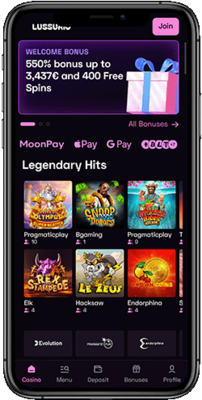
Security is only one part of deciding whether a live-dealer service suits you. Check the operator’s stated jurisdiction terms, licence information, account rules and privacy wording instead of relying solely on directory descriptions. The supplied material identifies the service as offshore and not registered with iGaming Ontario, so Canadian readers should not assume that local registration, provincial oversight or every Canadian consumer protection applies.
Examine how the account controls work before money is involved. Published information describes deposit, wagering, loss, time and session limits, reality checks, cooling-off periods and self-exclusion. These tools are useful only if their activation, duration and cancellation rules are clear. Set limits before browsing live tables, and decide in advance what information would cause you to stop, such as unclear verification instructions, unexplained account changes or terms you cannot reasonably understand.
Finally, treat claims about live casino dealers Canada availability as information to verify, not a promise of access or service quality. Supplier names, table categories and browser compatibility can change, while regional eligibility and payment options may vary by account. Read the current terms, confirm the displayed requirements and protect personal information at every stage. A cautious process may take longer, but it reduces the chance that an exciting table leads to an avoidable account or privacy problem.
Questions Canadian players often ask
Why might a withdrawal trigger extra verification?
Withdrawals can prompt checks of identity, residence, payment ownership, duplicate accounts or unusual activity. The review may be routine rather than an accusation, but timing is not guaranteed. Provide only the requested documents through the approved channel, keep records of correspondence and ask support which specific requirement remains unresolved.
Should a second account be created if access is blocked?
No. Creating another account can conflict with duplicate-registration rules and make identity checks more complicated. Use the login-recovery route or contact support through the established channel. Explain any change in contact details or circumstances, and wait for written instructions before attempting another registration or payment.
How can someone spot a fake verification request?
Be cautious of urgent messages, unfamiliar addresses, requests for passwords or instructions to install remote-access software. Check the account directly rather than following an unexpected link. Confirm the support route, inspect the web address and ask whether the requested document and submission method are officially required.


