
Rain sheets the window above the Reef Hotel Casino car park. Inside the local club two streets back, the pokies hum their familiar low thrum. A player taps a credit card on the counter, counts the remaining credits on the screen, and decides whether to walk out or keep feeding the machine. That moment, the quiet calculation between a cold beer and a spinning reel, is where the whole conversation begins.
The jump from a timber-framed club to a phone in a pocket is not just a change of scenery. It changes the math, the pace, and the way a person thinks about their own limits. Real money pokie slots online australia AUD sits at the centre of that shift, because the currency, the interface, and the habits all arrive together. A regular who has spent years reading the rhythm of a local machine now faces a screen that updates in a blink and asks for decisions faster than a bar tender pours a schooner.
Some operators make the transition feel like walking through a familiar door. Others leave a player squinting at bonus terms and wagering requirements that read like a weather forecast written by a lawyer. The difference matters more than the flashy artwork on the homepage. A sensible first move is to treat the sign-up process the same way a person treats a new pub: check the lighting, listen to the noise, and see whether the place runs on clear rules or loose approximations.
The Local Machine Memory
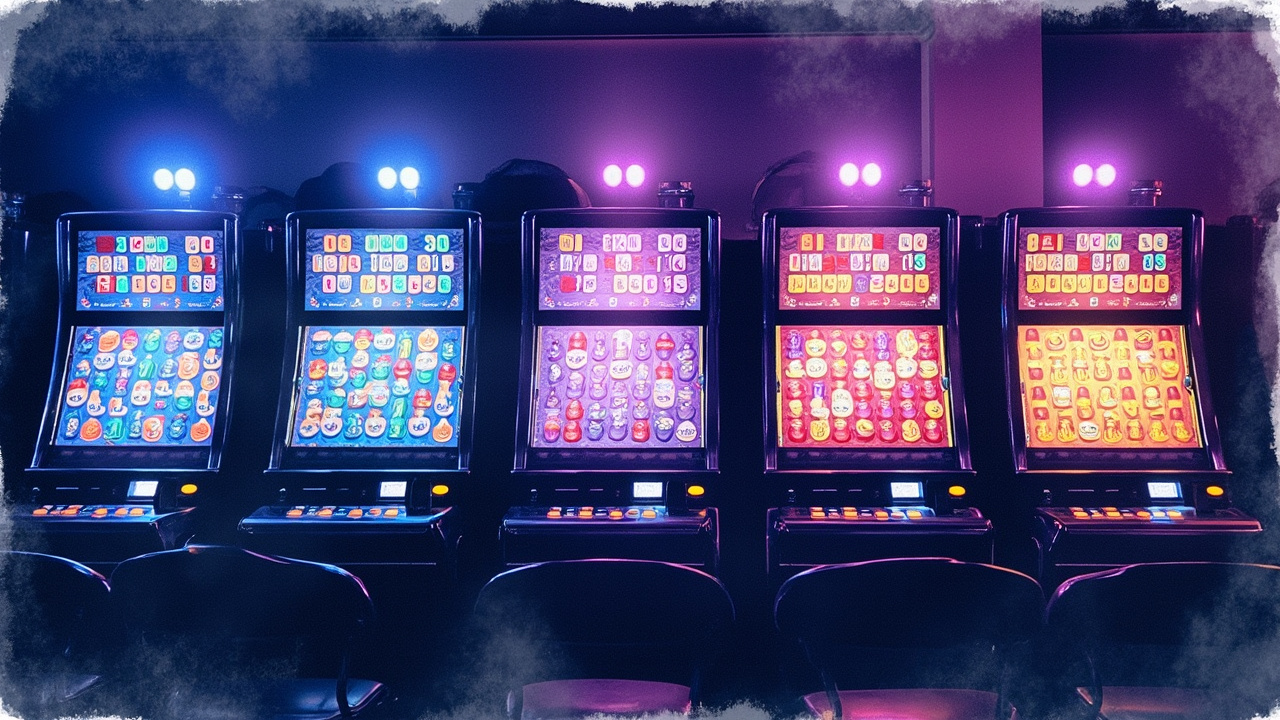
A pub pokies regular knows the feel of a machine before the first coin drops. The weight of the lever, the rattle of the tray, the way a near-miss sits in the chest for a second too long. Online play strips away the physical cues and replaces them with pixels, sound effects, and a spin button that never wears out. That change is not cosmetic. It alters how a person judges whether they are having a run of luck or simply feeding a machine that has no memory of their last visit.
The old club machine does not care whether it is Tuesday or Saturday. The online version does not care either, but it can deliver a session in three minutes or three hours with the same ease. A player who used to stop when the bartender began wiping down the counter now has to invent their own stopping point. Some set a timer on the phone. Some decide in advance that a single session ends when the coffee goes cold. Either way, the discipline has to come from inside the room, not from the room itself.
The AUD Question First
Australian players usually start with the currency in their head, not the artwork on the screen. Paying in Australian dollars means the deposit, the wager, and any withdrawal all speak the same language. That sounds obvious until a site quietly quotes everything in a different unit and leaves the conversion to a mid-session calculation. A player who wants to keep the bookkeeping simple looks for a platform that settles in AUD from the first click.
The practical check is straightforward. Before any deposit, a person reads the payment page and confirms the currency shown matches the bank account they intend to use. If the site offers a choice, picking AUD avoids a layer of guesswork. If the site does not offer a choice, the player decides whether the extra mental arithmetic is worth the hassle. Say you deposit fifty dollars and the screen shows a different figure after conversion; that is the moment to slow down and read the fine print again.
What Changes On A Screen
A physical pokies machine has a fixed layout and a fixed set of buttons. An online slot carries the у нас доступно same basic idea but wraps it in menus, autoplay settings, and bonus triggers that can sit one tap away from the main spin. The extra options are not inherently good or bad. They are simply more things to understand before a session starts, and more things to switch off if a player wants a quieter run.
A sensible habit is to test the settings before any real money goes in. A player can run a short demonstration mode, check how the paytable reads on a small phone screen, and confirm whether the bet adjustment moves in the increments they expect. If the interface feels cramped or the numbers blur together, that is a useful warning. A machine that is hard to read on a bus ride is not a machine a person should trust with a quiet afternoon.
Bonuses With Strings
A welcome offer can look generous on the day it arrives. The catch is usually in the wording that follows, where wagering requirements, game restrictions, and time limits sit together like a stack of club napkins. A player who reads the offer as a gift rather than as a set of conditions often discovers the gap later, when the withdrawal request meets a requirement that was always there.
The useful habit is to read the offer as a set of limits, not as free money. A person checks how many times the bonus amount must be wagered, which games count toward that total, and what happens if the session ends before the requirement is met. A realistic view treats the bonus as a conditional extension of the bankroll, not as a separate prize. When the terms are clear and the maths is manageable, the offer can fit a session. When the terms are vague, the offer is just a distraction with a price tag.
Mobile On The Bus
A lot of Australian play now happens between stops, not just in a dedicated room. A phone on a bus, a break at work, or a quiet corner after a footy match is a different environment from a club floor. The screen is smaller, the distractions are closer, and the session can start or stop in a breath. That flexibility is real, but it also means the player has to build their own boundaries around a device that fits in a pocket.
A practical approach is to decide the session shape before the phone comes out. A player might set a time limit, a loss limit, or a win target, and write it down where they can see it. Some people keep the phone on silent during the session so a message does not pull them back in. Some close the app the moment the agreed point is reached, the same way they would walk out of a club when the last drink is finished. The device is convenient. The discipline still has to come from the person holding it.
Checking The Fine Print
A player who moves online for the first time often focuses on the game and forgets the paperwork. The paperwork matters because it tells a person what happens when money moves in and what happens when it tries to move out. A clear reading of the terms, the verification steps, and the withdrawal timeline is not glamorous work. It is the difference between a smooth session and a frustrating one.
The useful check is to read the withdrawal section before the first deposit, not after. A person looks for the identity checks required, the usual processing window, and any conditions that apply to bonuses or specific payment methods. If the site points to a third-party guide for broader comparisons, a player might cross-reference that with a trusted national source such as ABC News before deciding where to put their first credit card. The goal is not to find a perfect answer. The goal is to know what question to ask before the money leaves the account.
Responsible Play As A Habit
A pub regular usually has a built-in stop signal: the closing time, the bartender’s look, the empty wallet. Online play does not supply the same external cue, so the safeguard has to be set up in advance. A player who treats responsible gambling tools as an afterthought is usually the one who wishes they had treated them as a first step. The tools are not a sign of doubt. They are a way of keeping the session inside the shape the player intended.
A practical setup includes a deposit limit, a session reminder, and a clear rule about stepping away when the limit is reached. A player who wants an outside view can also check a local comparison page such as https://wheres-the-gold-pokies-au.com for how different operators present their safeguards, or look at a broader list like casino listings to see whether the site’s terms are written plainly or hidden behind a wall of small print. The point is to make the limit visible before the first spin, not after the last one.
Daniel Phillips, iGaming Regulatory Consultant, Koala Digital Group, puts it plainly: “A player who reads the safeguard settings as part of the setup, not as a footnote, usually has a calmer session and fewer surprises when they want to stop.” The advice is not about playing less. It is about knowing the boundaries before the reels start moving.
Offshore Reality Check
A lot of Australian players end up on sites that sit outside the local licence framework, and that fact changes the conversation. The experience can still be smooth, the games can still be well built, and the currency can still be AUD from the first click. What changes is the layer of local oversight a player is used to hearing about in a club or a news segment. A person who moves offshore is not stepping into a regulated local environment. They are stepping into a different arrangement and should treat it that way.
A realistic view starts with the paperwork and the support options. A player checks how the site describes its own oversight, how it handles disputes, and what happens if a withdrawal slows down. Adam Murphy, Senior Market Analyst, Daintree Digital Ventures, notes the practical angle: “The question is not whether a site looks polished on launch day. The question is whether a player can find a clear path when money is stuck or a term is unclear.” A calm player reads that path before depositing, not after the first problem appears.
The myth worth dismantling is the idea that a glossy homepage guarantees a safe experience. A polished page can sit beside vague terms, slow support, or a withdrawal process that only makes sense once you have already sent the money. A player who wants a steadier run treats the homepage as a brochure and the terms as the contract. The brochure is for interest. The contract is for decisions.
The Next Session
The rain eases over the Cairns esplanade and the light changes on the water. A player who started the evening in a club with a cold drink and a familiar machine now sits with a phone in one hand and a clear limit in the other. The reels are still reels, the AUD is still AUD, and the decision to start, continue, or stop still belongs to the person holding the device. The setting has shifted, but the habit of paying attention has not.


