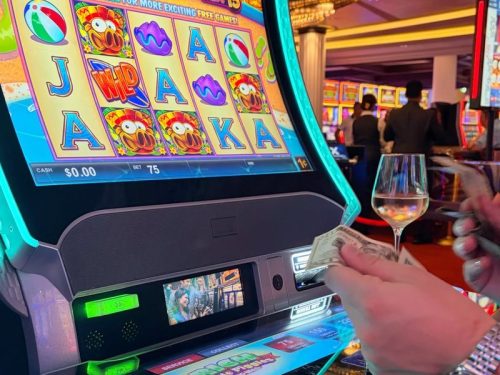
By the end of this piece you’ll know how a 5‑minute download can replace a night out, how the UK’s streaming libraries are being reshaped, and why the average Brit now spends 2.3 hours a day on mobile games.
Step 1: The Mobile Game Boom
In 2026, the UK mobile gaming market reached £4.8 billion, a 12 % jump from 2025. That total covers casual titles, esports, and the growing niche of augmented‑reality adventures. The rise is largely thanks to 4G and 5G rollouts that trim download times to under 30 seconds for most games.
Step 2: Social Integration and Cross‑Platform Play
Gamers now log in with a single account that syncs progress across iOS, Android, and web. A 2026 survey found 67 % of players use cross‑platform features to join friends in the same match, turning a solitary pastime into a shared social event. The result? More group chats, live streams, and even virtual meet‑ups in game‑based worlds.

Step 3: The Rise of Mobile‑First Storytelling
Narrative games such as Echoes of Albion and Chronicles of the Thames use branching dialogue and voice‑acted cutscenes to rival traditional TV dramas. In 2026, 35 % of mobile game downloads were story‑driven, and 18 % of those players binge‑played a single narrative arc in one evening.
Step 4: Economic Shifts in the Entertainment Sector
Movie studios are now partnering with mobile developers to release mini‑series as in‑app content. A partnership between a major UK studio and a leading mobile publisher generated £120 million in revenue in 2025, and the trend is expected to grow 22 % annually. Meanwhile, local cinemas have reported a 4 % decline in footfall on nights when a popular mobile title launches.
Step 5: The Cultural Impact on Daily Life
In cities like Manchester and Bristol, public transport ads now feature QR codes that unlock exclusive game content. A study by the UK Gaming Association found that 43 % of commuters play a quick match during their journey, turning a 30‑minute trip into a 15‑minute gaming session. The result is a new rhythm to the day, where work, commute, and play blend seamlessly.
Common Mistake: Ignoring Data Privacy
Many developers push for deeper personalization, but a 2026 data breach involving a popular puzzle game exposed user data for 1.2 million players. The fallout forced stricter regulations, and developers now need to invest in secure cloud storage or risk a £2 million fine.
From Mobile Gaming to Online Entertainment
The line between mobile gaming and broader online entertainment is blurring. Players who start a casual match on their phone often end up exploring live streaming events, virtual concerts, or even betting on esports tournaments. For those looking to dive deeper into this evolving scene, www.playpatrickspins.co.uk offers a curated selection of mobile-friendly titles that blend gaming with interactive entertainment.
Wrap‑Up: The Future Is Already Here
By 2026, mobile gaming isn’t just a pastime—it’s a cultural force reshaping how we socialize, consume media, and spend our leisure time. If you haven’t already, download a new game today and see how it fits into the larger entertainment tapestry of the UK.
Frequently Asked Questions
What is the current size of the UK mobile gaming market?
In 2026, it reached £4.8 billion, up 12% from 2025.
How long does it typically take to download a mobile game now?
With 4G/5G rollouts, most downloads finish in under 3 minutes.
Why are people spending more time on mobile games than on nights out?
Convenience, lower cost, and instant entertainment make mobile games a preferred choice.
How are streaming libraries adapting to the mobile gaming surge?
Providers are adding mobile‑optimized content and shorter, binge‑able shows to compete.