The allure of chance
The thrill of uncertainty is a fundamental aspect of human psychology, particularly evident in casino games. Many players are irresistibly drawn to the unpredictability associated with games like slots, roulette, and poker. As they explore different platforms, the option for registration Playzee can enhance their gaming experience by offering unique features. The element of chance creates an adrenaline rush that offers an exciting distraction from the monotony of everyday life. This rush is deeply rooted in the brain’s reward system, where the release of dopamine—the neurotransmitter linked to pleasure—creates an exhilarating experience that keeps players engaged and coming back for more.
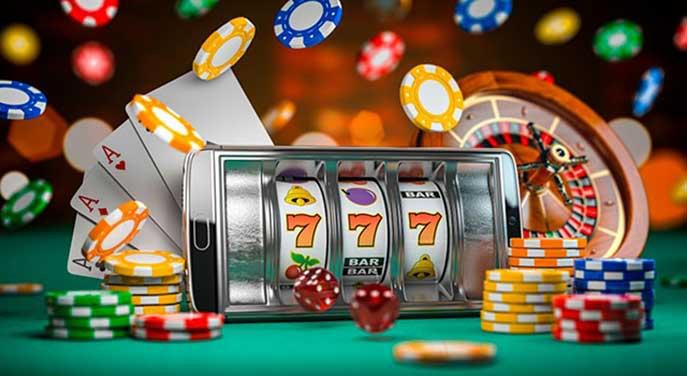
Moreover, this unpredictability enhances the emotional responses of players. The excitement of placing a bet hinges on the possibility of winning big, and even the mere thought of impending success can amplify emotional arousal. As players experience the highs of potential winnings, they begin to associate these intense feelings with the games, leading to a cycle of behavior that encourages repeated play. This psychological mechanism is akin to the compulsive behaviors seen in gambling addiction, where individuals chase the euphoric high of winning while often underestimating the risks they take.
Ultimately, the allure of chance in casino games taps into a deep-seated human desire for adventure and risk-taking. This unpredictable nature signifies not just a game of skill or luck, but an engaging contest against life’s uncertainties, appealing to those seeking thrill, novelty, or an escape from their routine. As players immerse themselves in these experiences, they find both enjoyment and compelling reasons to return, illustrating the potent psychological pull of chance-driven games.
The social aspect of gambling
Casino games are not merely solitary pursuits; they often serve as vibrant social experiences that foster interaction and community among players. The environment of a casino resembles a bustling social hub, where camaraderie develops over shared experiences—whether it’s celebrating wins together or commiserating over losses. This social dynamic acts as a powerful psychological driver, as humans have an inherent craving for connection and belonging, which is readily fulfilled in such communal settings.
When players engage in table games, the presence of others significantly enhances their emotional experience. Players can share in the excitement of a winning streak or offer support during downturns, forming bonds that transcend individual gaming experiences. The communal atmosphere can alleviate the anxiety sometimes associated with gambling, as players feel part of a larger group. This social endorsement reinforces positive behaviors, making individuals more likely to return to the games not just for the chance to win, but for the shared enjoyment of the experience itself.
The social aspect of gambling is further magnified by platforms and events that promote tournaments and competitions. These environments invite players to showcase their skills against one another in public settings, heightening excitement and providing opportunities for recognition and social status. As friendships form and experiences are shared, the psychological attachment to casino games becomes more profound, creating a cycle of repeated engagement fueled by the social interactions that are a hallmark of the casino experience.
The impact of design and atmosphere
The design and atmosphere of a casino significantly influence how players are attracted and kept engaged. From bold colors and dazzling lights to the strategic layout of machines and tables, every aspect is meticulously crafted to create an immersive experience. This thoughtful design taps into various psychological principles, as these elements are known to stimulate excitement and encourage prolonged play, making the casino environment feel almost enchanting.
Research has shown that soundscapes within casinos contribute immensely to the gaming experience. The sounds of coins clinking, celebratory music, and the ambient chatter of fellow players are deliberately designed to evoke feelings of success and enthusiasm. These auditory cues reinforce emotional responses that players have during gameplay, making them more inclined to stay longer. The environment is essentially engineered to facilitate a state of flow, where players become fully absorbed in the thrilling experience of the game.
Moreover, the absence of clocks and windows in many casinos enhances this immersive experience by disconnecting players from the outside world. This design choice can lead to disorientation regarding time, prompting individuals to play longer than they initially intended. In this regard, the psychology behind casino design not only serves to attract players but also to maintain their engagement, leading to extended gaming sessions that might not occur in more conventional social settings.
The role of rewards and reinforcement
Reward systems are a core component of casino games, leveraging psychological reinforcement to encourage continued participation. Casinos implement various reward mechanisms, such as jackpots, loyalty programs, and bonuses, all designed to entice players by creating a sense of accomplishment and satisfaction. This strategy taps into the principle of variable reward reinforcement, where the unpredictability of rewards keeps players invested in their gaming experiences.
The concept of intermittent reinforcement, well-established in behavioral psychology, elucidates why individuals may continue to gamble even after experiencing losses. The occasional win provides just enough of a reward to keep players engaged, fostering a hope-driven cycle. This dynamic is particularly evident in slot machines, where players may receive small payouts that encourage them to keep playing despite overall losses. The hope of hitting a significant jackpot can lead to prolonged gaming sessions, as the allure of potential rewards often outweighs the reality of risk.
In addition to financial rewards, psychological rewards play a crucial role in this equation. Winning can enhance self-esteem and provide a fleeting sense of control over one’s circumstances. Players often relish the thrill of getting lucky or outperforming others, reinforcing their desire to return for more. This interplay between financial and psychological incentives ultimately drives sustained interest and engagement with casino games, creating a powerful attraction that persists over time and keeps players returning for more experiences.
Understanding casino culture and its communities
Exploring the culture surrounding casinos reveals a complex social tapestry that influences why individuals choose to engage with these environments. Many casinos cultivate distinct communities that reflect various interests, playing styles, and social dynamics. Whether it’s the appeal of high-stakes poker tournaments or the casual atmosphere of gaming nights, these communities often foster a sense of belonging that entices individuals to participate. Players frequently identify with their chosen games, forming personal connections that extend beyond the casino floor.
This sense of community is often built on shared experiences, where stories of wins, losses, and strategies are exchanged. Such narratives can elevate the gaming experience, providing insights while fostering camaraderie among players. The psychological need for social interaction can serve as both a driving force for participation and a source of emotional support, particularly during challenging times. This culture ultimately forms a rich backdrop that enhances the allure of casino gaming.
Events hosted by casinos, such as tournaments and themed nights, serve to strengthen community bonds and create memorable experiences. These gatherings not only provide platforms for social interaction but also elevate the overall gaming experience. Players feel a stronger connection to the games when they can share their passion with others, reinforcing their affiliation with both the activity and the community it fosters. Understanding this intricate aspect of casino culture is essential in grasping the multifaceted reasons behind why people are drawn to these exhilarating gaming environments.